
How to Prepare for a Blood Draw: Tips and Advice


Getting a blood draw can be a routine part of medical care, but it can also be a source of anxiety for many. Whether you're getting blood work done for the first time or it's part of your regular health check-up, being prepared can make the experience smoother and more comfortable.
Understanding the Process
Knowing what to expect can alleviate much of the stress associated with a blood draw. Typically, a healthcare professional will use a needle to draw blood from a vein, usually in your arm. The process is quick, often taking just a few minutes.
Before your appointment, it's a good idea to confirm any specific instructions from your healthcare provider, such as fasting or medication adjustments.
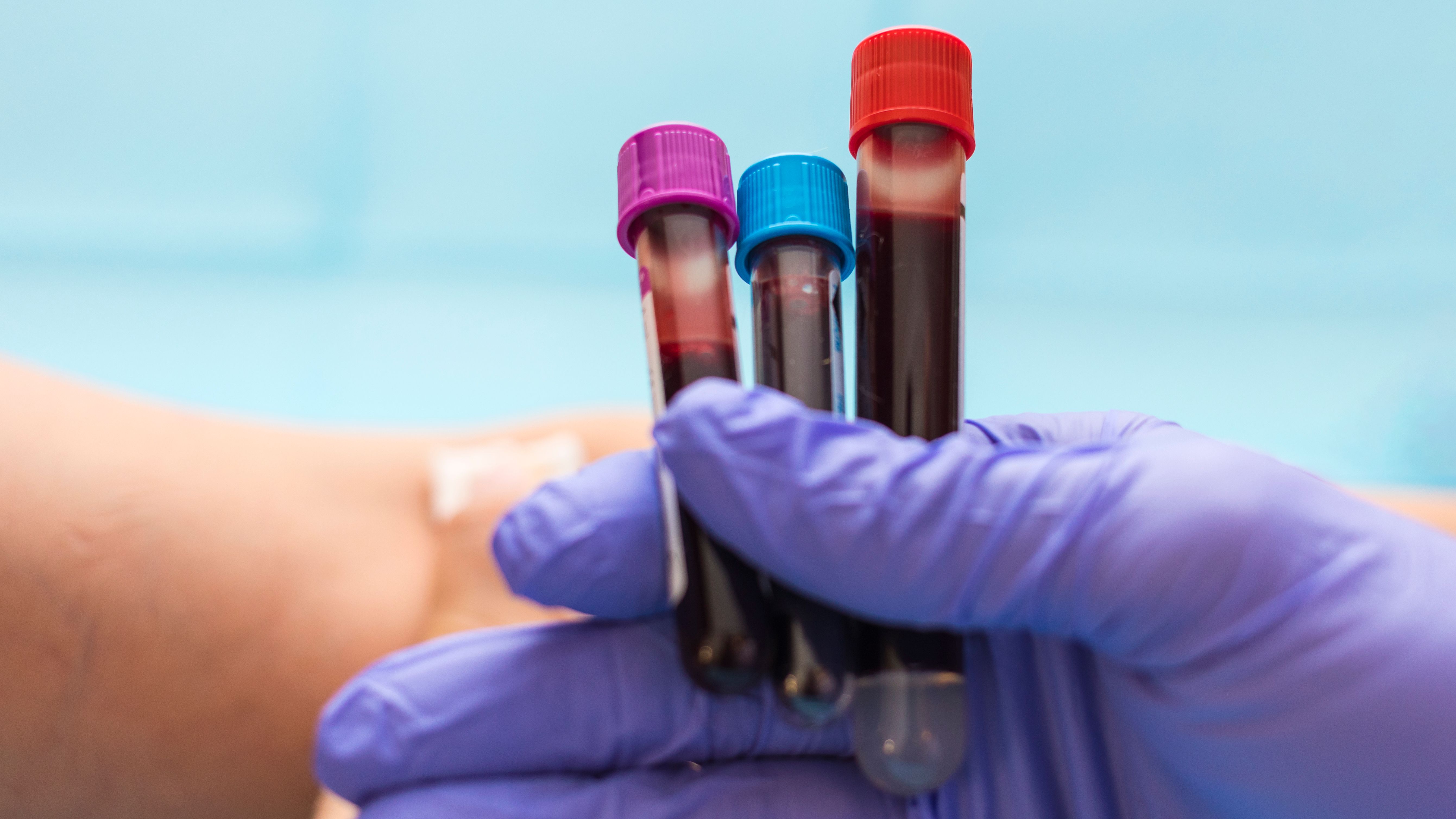
Before the Blood Draw
Stay Hydrated
One of the most important things you can do before a blood draw is to stay well-hydrated. Drinking water makes your veins more accessible, simplifying the process for both you and the healthcare professional.
Wear Comfortable Clothing
Opt for loose-fitting clothing, particularly around your arms, to make it easier for the technician to access your veins. A short-sleeved shirt or a top with sleeves that can be easily rolled up is ideal.

During the Blood Draw
Relax and Breathe
Feeling nervous is normal, but try to stay calm. Take deep breaths and focus on relaxing your muscles. Tension can make the process more challenging and uncomfortable.
Communicate with the Technician
If you have concerns or a history of difficult draws, let the technician know. They can take extra care to ensure the process goes smoothly. Don’t hesitate to ask questions if you're unsure about anything.

After the Blood Draw
Apply Pressure and Bandage
After the needle is removed, apply pressure to the site with a cotton ball or a bandage. This helps to minimize bruising and bleeding. Keep the bandage on for at least a few hours.
Take Care of Yourself
After your blood draw, it's important to continue taking care of yourself. Eat a healthy snack if you were fasting, and avoid strenuous activities for the rest of the day. If you experience any unusual symptoms, such as prolonged bleeding or dizziness, contact your healthcare provider.
By following these tips, you can make your next blood draw as smooth and stress-free as possible. Remember, being prepared and informed is your best strategy for a positive experience.