
Preparing for Your Blood Draw: Expert Tips for a Smooth Experience


Understanding the Blood Draw Process
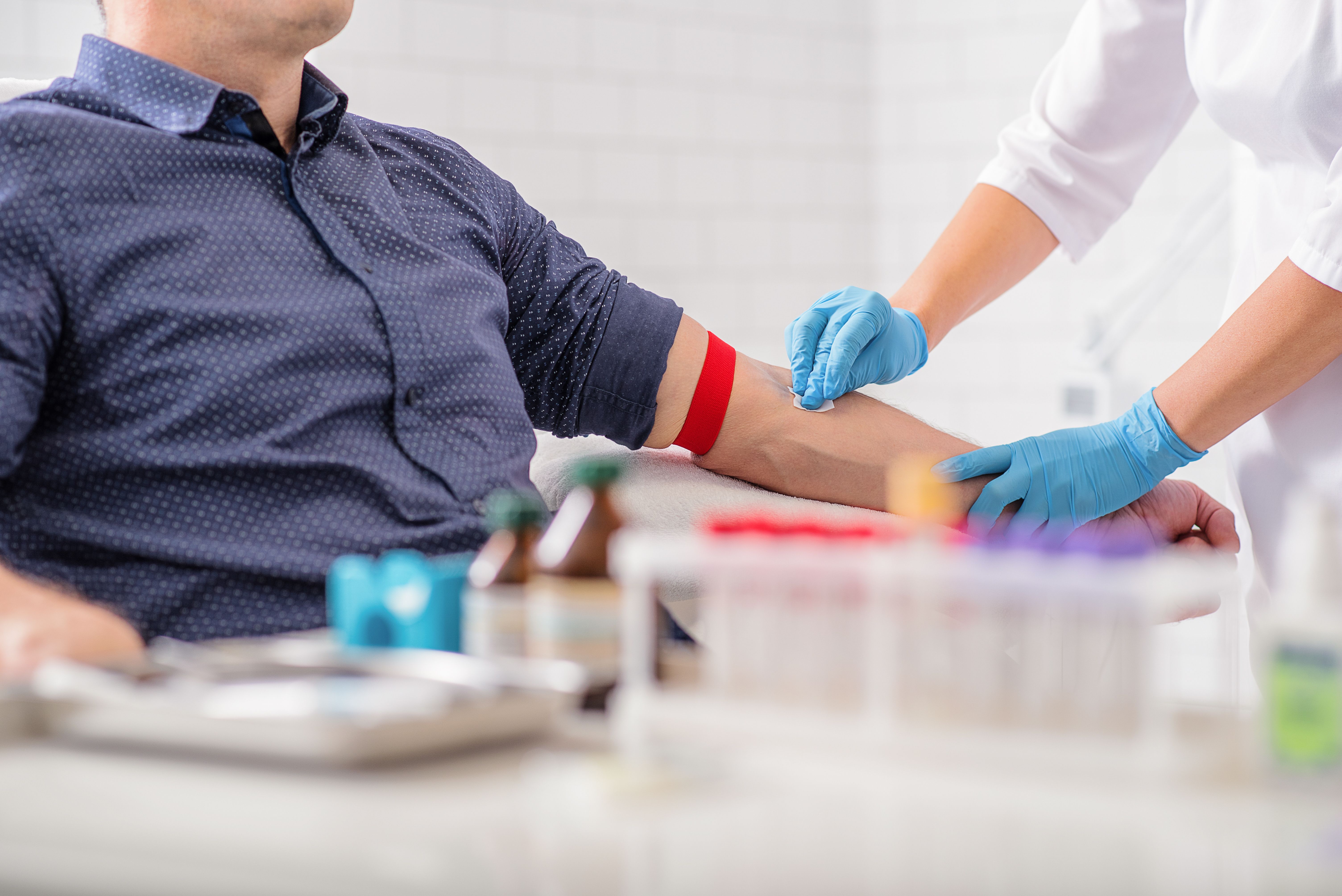
Getting your blood drawn can be a routine part of many medical appointments. Whether it's for a regular check-up or to investigate specific health concerns, understanding what to expect can help ease any anxieties. The process involves collecting a small sample of blood, usually from a vein in your arm, using a needle.
Before your appointment, it's beneficial to familiarize yourself with the procedure. Knowing what will happen can reduce stress and make the experience more comfortable. A typical blood draw is quick, often taking only a few minutes.
Preparing Your Body
Stay Hydrated
Drink plenty of water before your blood draw. Staying hydrated helps keep your veins plump and easier to access. Aim to drink several glasses of water the day before and the morning of your appointment.
Fasting Requirements
Some blood tests require fasting. Your doctor will inform you if this is necessary. If fasting is required, avoid eating and drinking anything other than water for 8-12 hours before the procedure.
Mental Preparation
Manage Anxiety
If you feel anxious about needles, try techniques such as deep breathing or visualization to calm your nerves. Imagine a peaceful scene or focus on your breathing to distract yourself during the procedure.

Communicate with Your Phlebotomist
Don't hesitate to communicate any concerns to your phlebotomist. They can often accommodate requests like drawing blood from your non-dominant arm or using a smaller needle if necessary.
What to Do During the Blood Draw
Relax Your Muscles
Keep your arm relaxed during the procedure. Tensing your muscles can make it more difficult for the phlebotomist to find a vein. Take slow, deep breaths and try to stay calm.

Post-Procedure Care
After the blood draw, apply pressure to the site to stop any bleeding. The phlebotomist will usually provide a bandage to keep the area clean and protected.
After Your Blood Draw
Eat and Hydrate
Once the procedure is over, it's important to eat a small snack and drink fluids to replenish your body. This can help prevent dizziness and restore your energy levels.
Watch for Any Issues
Keep an eye on the site where the needle was inserted. If you notice any swelling, redness, or persistent pain, contact your healthcare provider. These could be signs of an infection or other complications.
By following these expert tips, you can ensure a smoother, more comfortable blood draw experience. Remember, it's always okay to ask questions and communicate your needs to healthcare professionals.