
Top 5 Myths About CPR and First Aid Training Debunked


Myth 1: CPR is Only for Medical Professionals
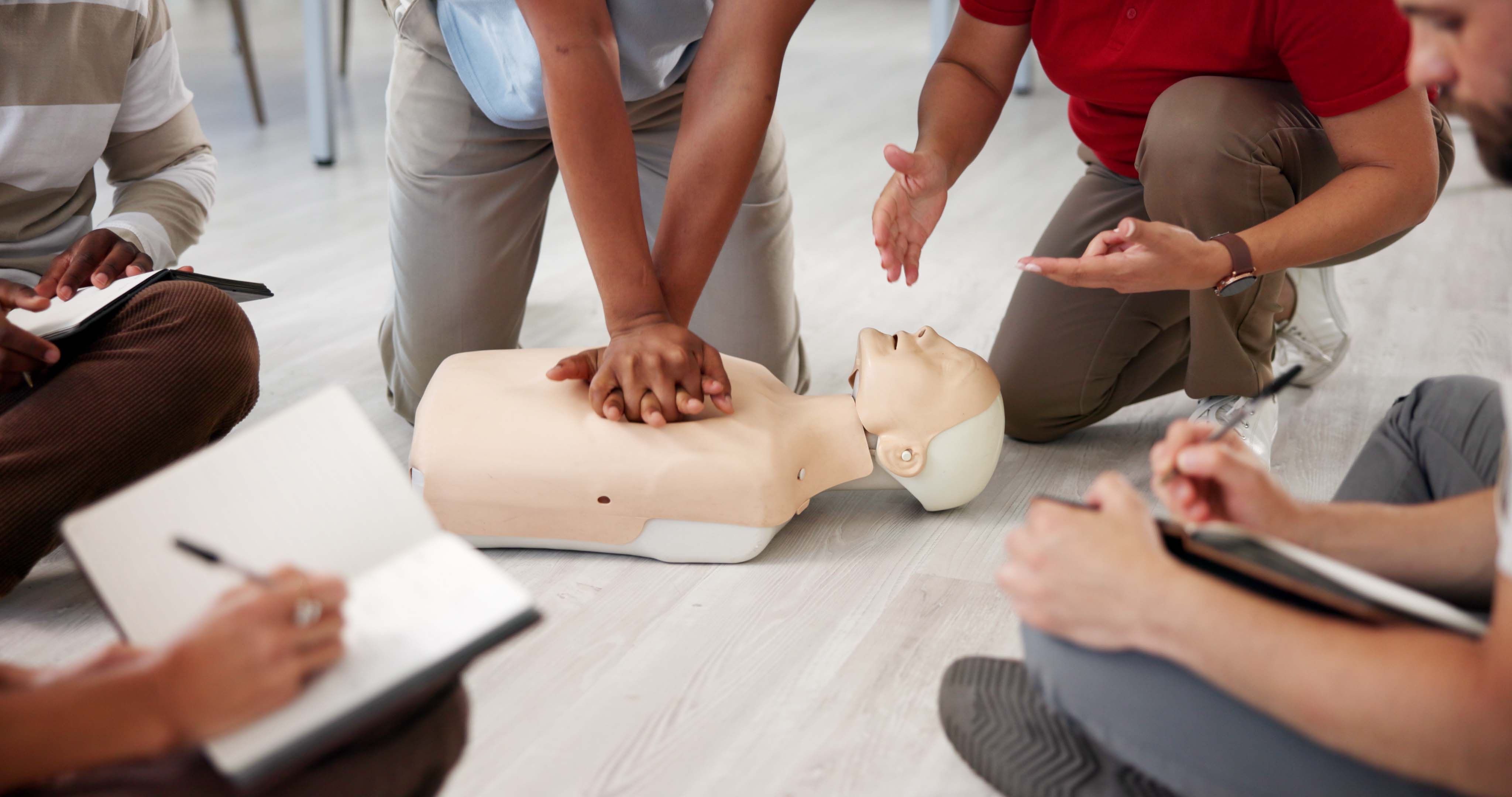
One of the most common misconceptions about CPR is that it is only something medical professionals should perform. This couldn't be further from the truth. Anyone can learn CPR, and in fact, having more people trained in this life-saving technique increases the chances of survival for those experiencing cardiac arrest outside of a hospital setting.
CPR training is designed to be accessible for everyone, regardless of their medical background. Many organizations offer courses that teach the basics in a few hours, making it easy for anyone to become a first responder in an emergency.
Myth 2: You Might Hurt the Victim
Another myth that deters people from performing CPR is the fear of causing harm to the victim. While it's true that performing CPR can sometimes result in broken ribs, the alternative is far worse. Without intervention, a person experiencing cardiac arrest has a significantly lower chance of survival.
Remember, the primary goal of CPR is to keep blood flowing to the brain and other vital organs until professional medical help arrives. The risk of minor injuries is worth the potential to save a life.
Myth 3: You Need to Have a Certification
While having a CPR certification is beneficial, it's not a requirement to perform CPR. In an emergency, taking action is more important than hesitating because of a lack of certification. Good Samaritan laws in many regions protect those who provide assistance in an emergency, regardless of certification status.
Myth 4: Mouth-to-Mouth is Always Necessary
The idea that mouth-to-mouth resuscitation is always necessary during CPR is outdated. Current guidelines emphasize the importance of hands-only CPR, especially for untrained bystanders. This method focuses on chest compressions at a steady rate and depth, which is effective in many situations.
Hands-only CPR is recommended for adults who suddenly collapse, as it helps maintain blood circulation without the need for rescue breaths.
Myth 5: First Aid Training is Time-Consuming
Many people avoid first aid training because they believe it's a lengthy and complex process. In reality, most basic courses can be completed in just a few hours. These courses cover essential skills that can make a significant difference in emergency situations.
Organizations often offer flexible training options, including online and in-person classes, to suit various schedules. Investing a small amount of time in training can empower you to provide critical help when it's most needed.
Understanding and debunking these myths is crucial for encouraging more people to learn CPR and first aid. The more individuals trained, the safer our communities become. By spreading awareness and education, we can all contribute to saving lives.