
Top Questions Answered About CPR Certification

What is CPR Certification?
CPR, or Cardiopulmonary Resuscitation, is a life-saving technique used in emergencies when someone's breathing or heartbeat has stopped. A CPR certification ensures that you are trained to perform this technique effectively. This certification is crucial for healthcare professionals, teachers, coaches, and anyone interested in being prepared for emergencies.
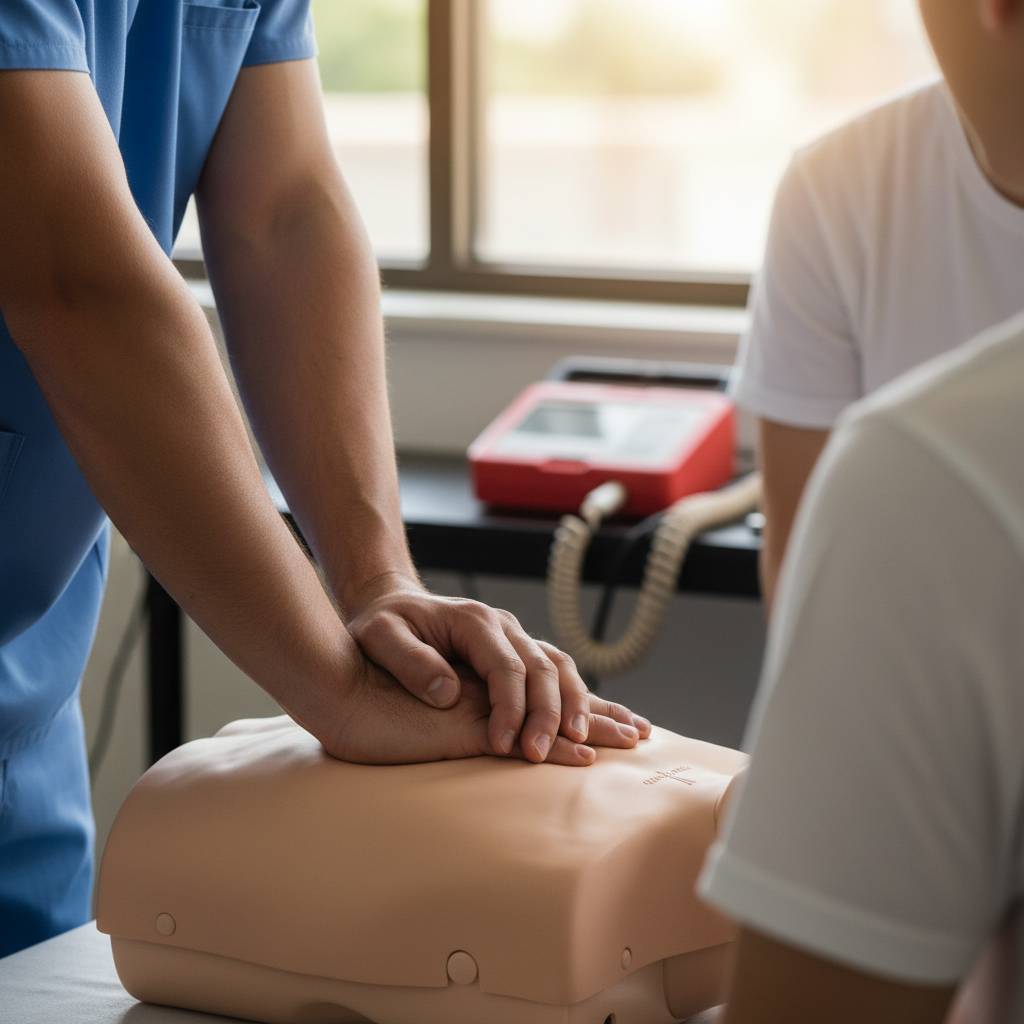
Obtaining CPR certification involves attending a course where you learn both theoretical and practical aspects of CPR. After completing the course, you must pass a test to receive your certification. Courses are available both online and in-person, providing flexibility for different learning preferences.
Why is CPR Certification Important?
CPR certification is important because it equips you with the skills and confidence needed to save lives. In emergency situations, every second counts, and being able to perform CPR can mean the difference between life and death. According to the American Heart Association, CPR can double or triple a cardiac arrest victim's chance of survival.
Moreover, many employers, especially in healthcare and childcare sectors, require CPR certification as a condition of employment. It demonstrates your commitment to safety and preparedness, making you a valuable asset in any work environment.
How Long Does CPR Certification Last?
Typically, CPR certification is valid for two years. After this period, you are required to renew your certification by taking a refresher course. The renewal process ensures that your skills remain sharp and up to date with the latest guidelines and techniques.
It's important to note that guidelines for CPR can change, so staying informed through regular recertification is crucial. This ongoing education helps ensure that you are always ready to provide effective assistance in emergencies.
What Types of CPR Certification Are Available?
There are several types of CPR certifications available, catering to different needs:
- Basic CPR Certification: Ideal for the general public and covers basic CPR techniques.
- CPR and AED Certification: Includes training on Automated External Defibrillators, commonly found in public spaces.
- Healthcare Provider CPR Certification: Designed for medical professionals, covering more advanced techniques.
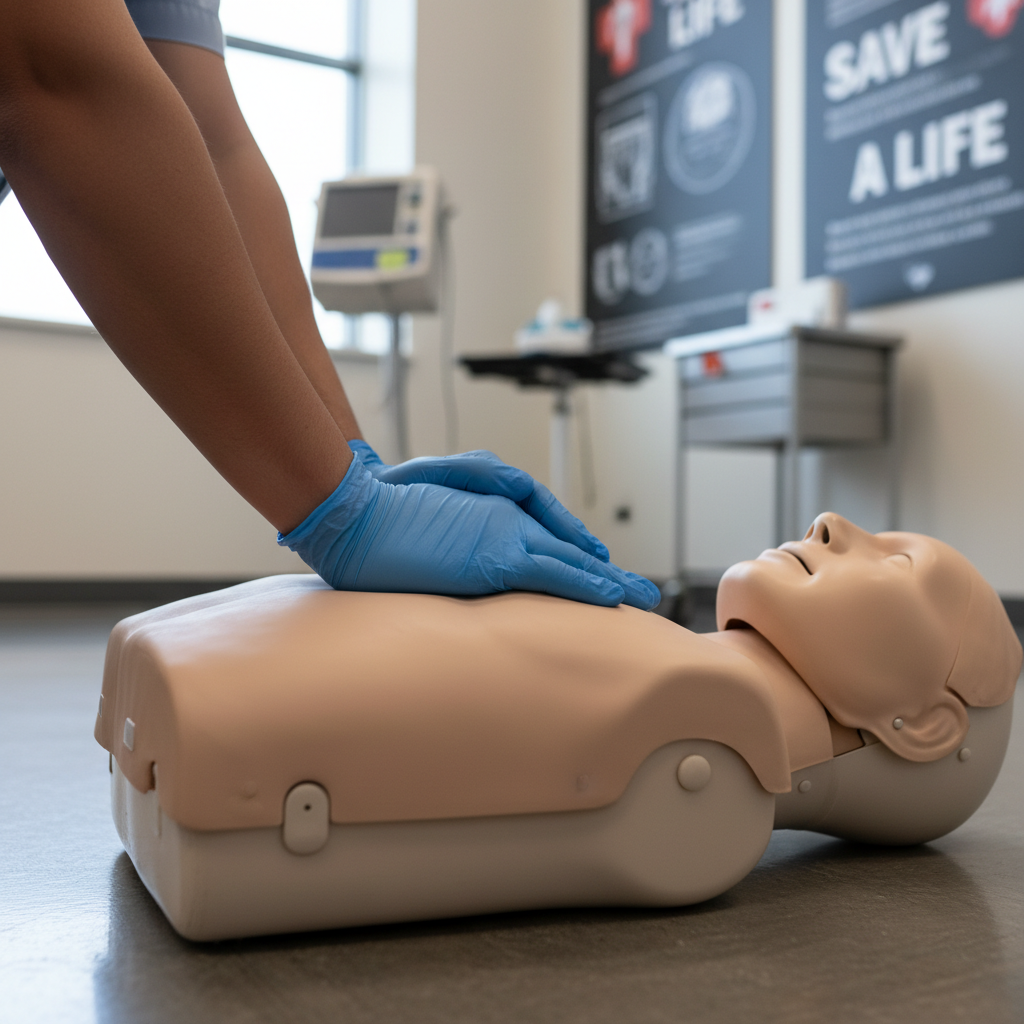
Choosing the right type of certification depends on your specific needs and professional requirements. Regardless of the type, all certifications emphasize hands-on practice and real-world application.
Where Can I Get CPR Certified?
Numerous organizations offer CPR certification courses. Some of the most recognized include the American Heart Association, the American Red Cross, and local community colleges. Courses can be found both in-person and online, providing flexibility for different schedules and preferences.
When choosing a course, ensure that it is accredited and recognized by employers and professional organizations. This guarantees that the training you receive meets industry standards and is widely accepted.
Conclusion
Getting CPR certified is a valuable investment in your ability to help others in emergencies. With various options available, it's easier than ever to find a course that fits your needs. Whether you're a healthcare professional, a teacher, or simply someone who wants to be prepared, CPR certification is a worthwhile endeavor that can empower you to make a difference when it matters most.